
When Addiction Takes Over a Family, Don’t Lose Yourself Too
Self-Care, Parallel Recovery, And The Path Back To A Healthier Life
When someone you love is struggling with addiction, it is very easy for your entire life to start revolving around the addiction. You think about them constantly. You worry. You try to help. You try to prevent things from getting worse.
You may slowly become:
-
- the fixer,
- the caretaker,
- the peacekeeper,
- the one holding everything together.
And while all your attention goes toward the crisis, something quieter often happens in the background:
You slowly lose connection with yourself.
Your own needs.
Your own rest.
Your own joy.
Your own health.
Your own life.
This is one of the hidden effects of addiction on families.
And it is why self-care is not selfish.
It is part of recovery.
Families Often Disappear Inside The Addiction
One of the questions I frequently ask family members is:
“But how are you doing?”
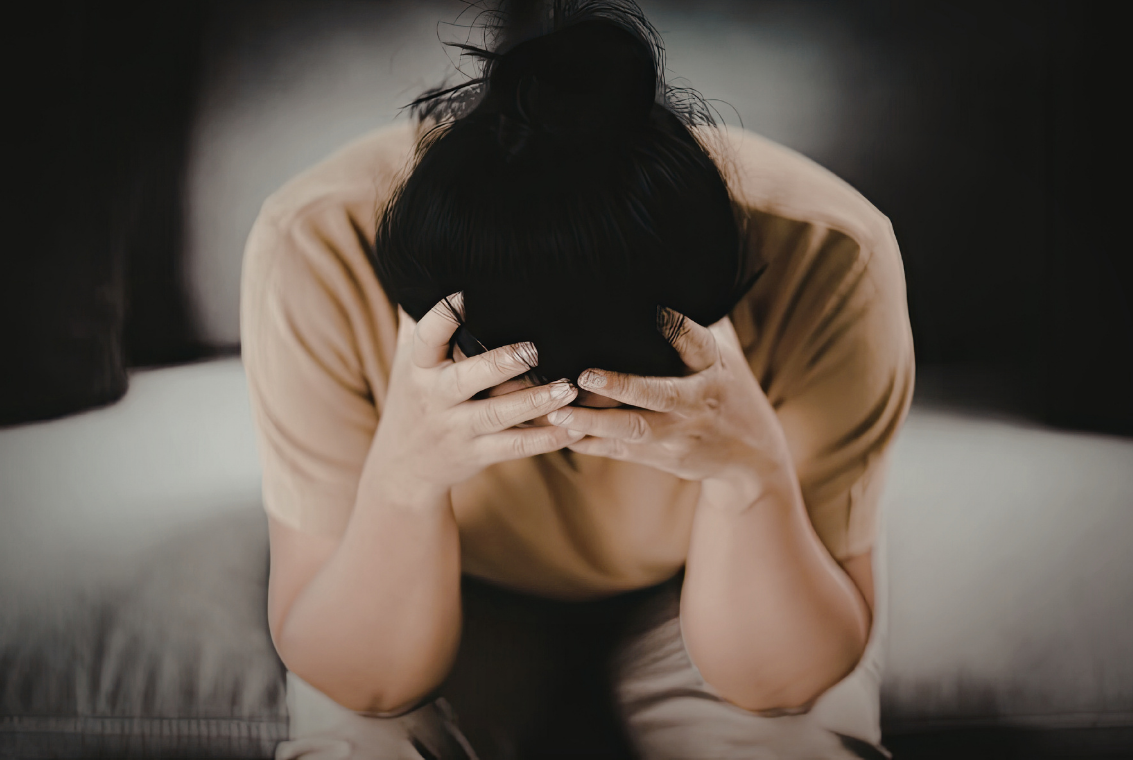
Very often, there is silence first. Often, followed, by a lot of emotion. Not because they do not care about themselves, but because they have been focused on surviving, managing, helping, or worrying about someone else for so long that they have stopped checking in with themselves.
Addiction naturally pulls families into survival mode.
You may find yourself:
-
- constantly alert,
- expecting the worst,
- trying to control outcomes,
- neglecting your own health,
- feeling guilty when you rest,
- struggling to enjoy life,
- or losing touch with what you need.
This is not weakness.It is what happens when people live under prolonged stress while trying to protect someone they love.
Caring Deeply Does Not Mean Something Is Wrong With You
For many years, families affected by addiction were often described mainly through the lens of codependency. And while that concept may fit some situations, many families walked away with the feeling that their love, concern, or care somehow meant there was something wrong with them.
But there is another way to understand this. As humans, we are wired for attachment and connection. When someone we love is struggling, we naturally move toward them. We try to help. We try to protect. We try to keep them safe.
Sometimes we go to extraordinary lengths to do so. That does not automatically mean you are “broken,” “sick,” or “the problem.” It means you are human.
At the same time, caring for someone else should not come at the complete cost of abandoning yourself.
This understanding is where recovery for families begins.
The Healthy Adult Path
One of the core ideas I believe strongly in is this:
Recovery is not only about stopping destructive behaviours.
It is about building a healthier way of living.
I call this the Healthy Adult Path.
The Healthy Adult Path means learning how to:
-
- care for yourself,
- regulate stress,
- express your needs,
- build healthy routines,
- create supportive relationships,
- set compassionate boundaries,
- and live with more balance, stability, and connection.
For people with addiction, this path helps replace survival and impulsive coping with healthier ways of living.
But families need this path too. Because addiction affects everyone in the system. Families often become stuck in:
-
- fear,
- hypervigilance,
- over-responsibility,
- emotional exhaustion,
- people-pleasing,
- or constant crisis management.
And over time, these patterns can pull you further away from your own healthy adult self.
Recovery Is Not Only For The Person With The Addiction
When someone enters recovery, they change.
They begin learning new ways to:
-
- cope,
- communicate,
- regulate emotions,
- care for themselves,
- and connect with others.
But if the family remains stuck in survival mode, confusion and tension often follow.
This is why I believe in parallel recovery.
Parallel recovery means that while your loved one works on their recovery, you begin working on your own healing too. Not because you caused the addiction. Not because you are to blame. But because you have been affected by it.
And because you deserve recovery too.
What Self-Care Really Means In Family Recovery
Self-care is often misunderstood. It is not about pretending everything is fine. It is not about luxury or self-indulgence. And it is not about abandoning the person you love.
Self-care is about reconnecting with the parts of yourself that got lost in survival mode. It is about helping your nervous system feel safe enough to breathe again. Sometimes that begins with very simple things:
-
- sleeping better,
- eating regularly,
- moving your body,
- asking for help,
- resting without guilt,
- reconnecting with supportive people,
- journaling,
- taking a walk,
- or simply asking yourself:
“What do I need right now?”
These small actions may seem insignificant. But they are the building blocks of recovery and resilience.
Healthy Adult Routines Create Stability
One of the most important things I teach families is this:
Mental health and recovery are built in routines.
When life feels chaotic, routines create predictability. Predictability creates safety. And safety helps the nervous system regulate.
You do not need a perfect life plan. But small recovery routines can make an enormous difference.
Things like:
-
- consistent sleep,
- regular meals,
- movement and exercise,
- moments of mindfulness,
- limiting negative influences,
- connecting with supportive people,
- making space for joy,
- and taking time to reflect.
These are not “small wellness tips.” They are the foundations of emotional resilience.
A Different Question
Many families begin by asking:
“How do I get them to change?”
But over time, recovery often starts with a different question:
“How do I stop losing myself in this?”
That question changes everything. Because real recovery is not only about managing addiction. It is about helping everyone in the family move toward a healthier, steadier, more connected way of living.
That is the Healthy Adult Path.
You Matter Too
If you have been carrying this for a long time, please hear this clearly:
You are allowed to rest.
You are allowed to have needs.
You are allowed to ask for support.
You are allowed to heal too.
Not after your loved one gets better. Now.
Because recovery is not only for the person with the addiction. Recovery belongs to the whole family.
A Small Place To Begin
You do not have to change everything overnight.
Start small.
You might begin by:
-
- taking ten quiet minutes for yourself,
- reconnecting with one supportive person,
- improving your sleep,
- noticing what you are feeling,
- or asking yourself honestly: “How am I really doing?”
That small moment of self-reflection is often where recovery begins.
Not only for individuals.
But for families too.
If this resonates with you, remember, you do not need to figure everything out at once. Start by understanding that family recovery matters too. You deserve support, clarity, and healing regardless of whether your loved one is ready for change yet.
👉 Start with the Family Recovery Guide
👉 Learn how to support without losing yourself by reading The Roadmap To Family Recovery
👉 Explore healthier approaches to boundaries, communication, and recovery by subscribing to and joining the Family Recovery Newsletter
Because recovery does not only belong to the person with addiction.
Recovery belongs to families too.
Disclaimer: This article is for educational and informational purposes only and does not constitute medical, psychiatric, or psychological advice. It is not a substitute for professional care. If you have concerns about your situation or that of a loved one, please seek guidance from a qualified professional.
0 Comments